

EcoLung
Speculative Design • Team of 3
A speculative wearable that explores how humans might coexist with genetically modified algae to supplement breathing in increasingly polluted environments.
Role: Interaction Designer
Timeline: Spring 26 (10 weeks)
Tools: User research, interviews, wireframing, Figma, prototyping
Context: Academic project
Deliverables: Wearable concept, speculative system, prototype, material experiments
The Problem
Designing for a Future of Poor Air Quality
Air pollution continues to impact respiratory health around the world. Rather than designing another air filter, EcoLung explores a speculative future where humans adapt by forming a symbiotic relationship with genetically modified algae
The Goal
EcoLung is a wearable that mediates between humans and algae to enable symbiotic photosynthesis reactions.
What does it mean to not just use nature, but to live with it, depend on it, and evolve alongside it?
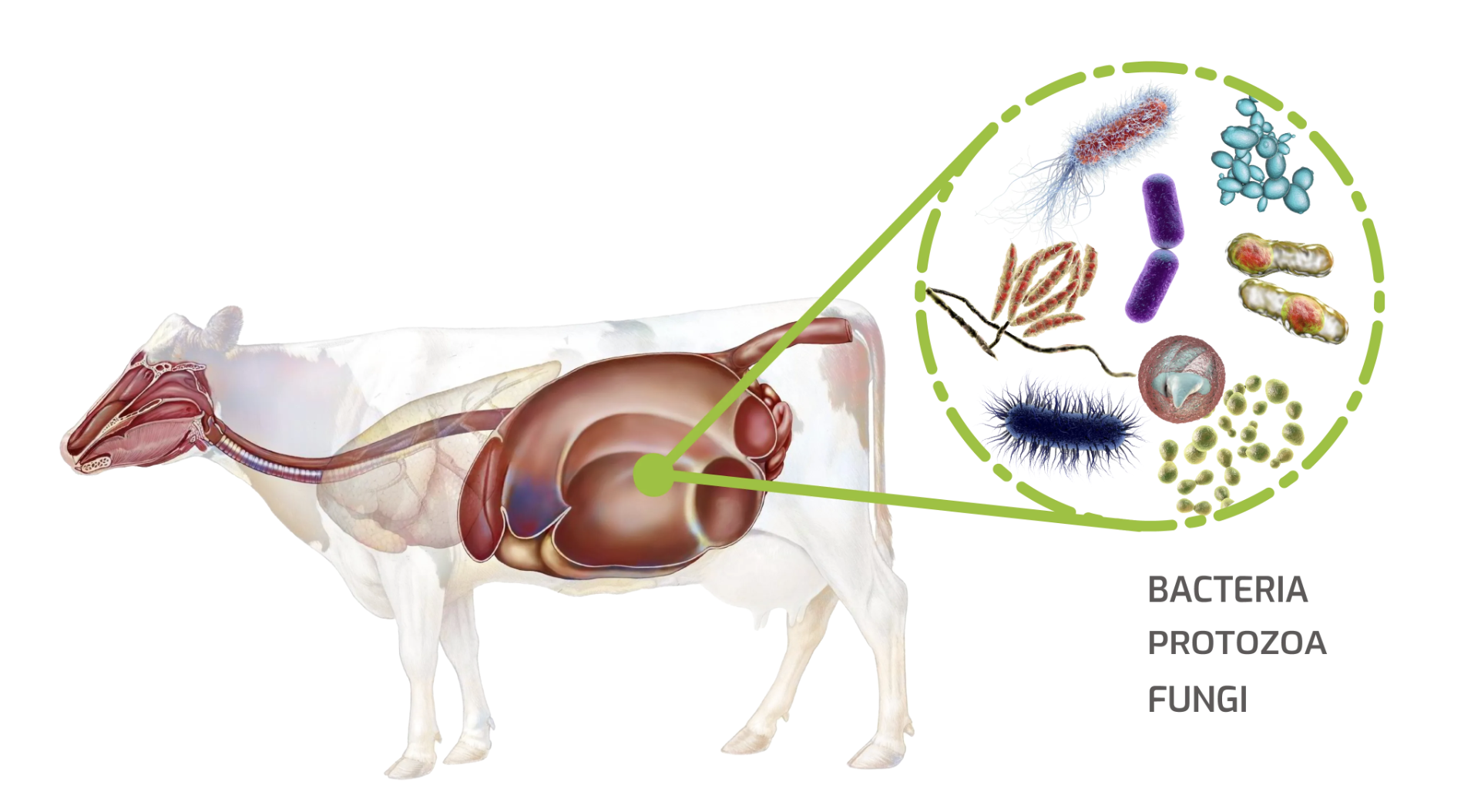
Mammal-Extremophile bacteria interactions
The relationship between Rumen Microbes in a cow’s stomach and the cow itself is a symbiotic process
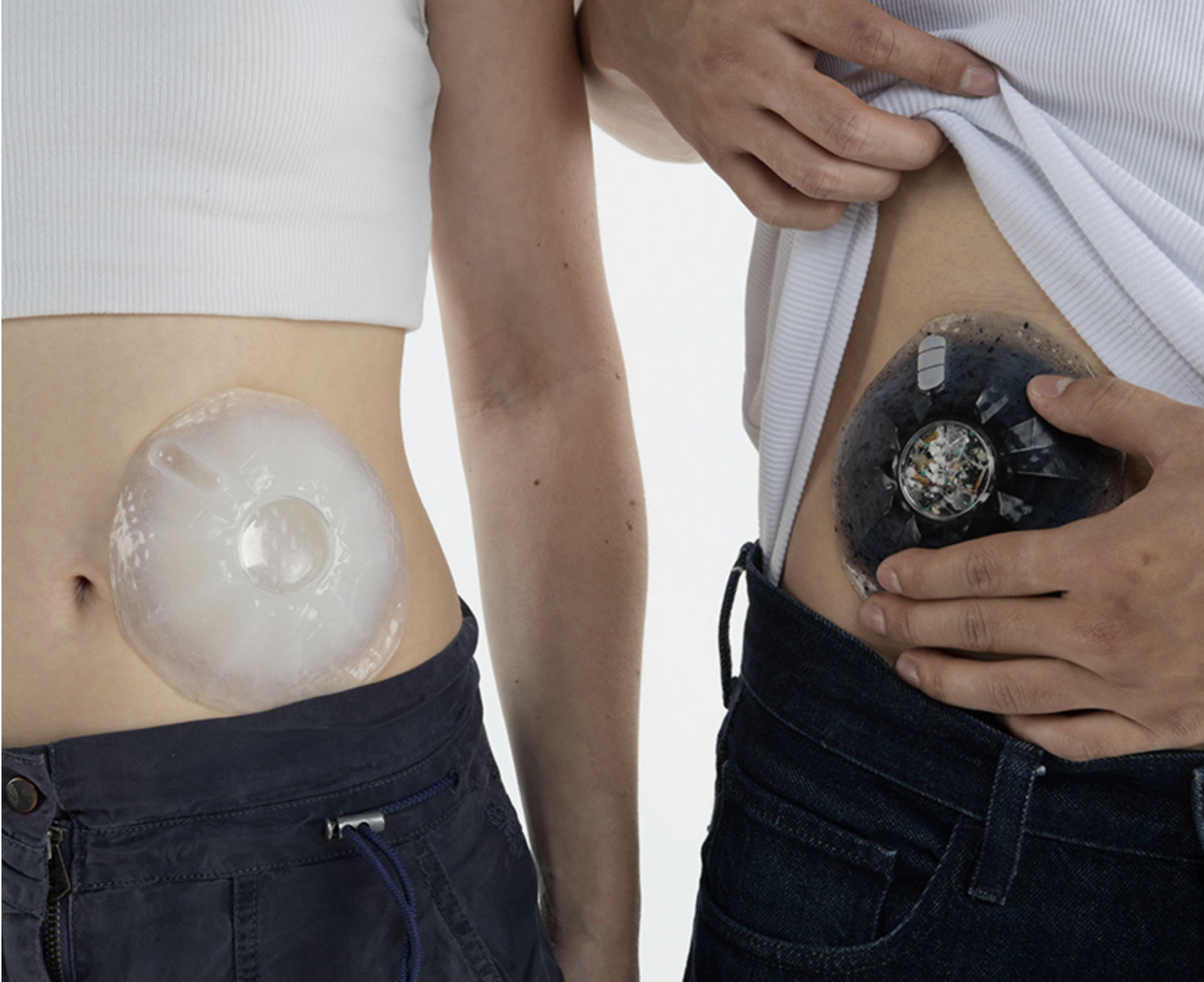
Speculative biomaterial projects
The 79th Organ: How humans might adapt to consequences of growing pollution
Research & Inspiration
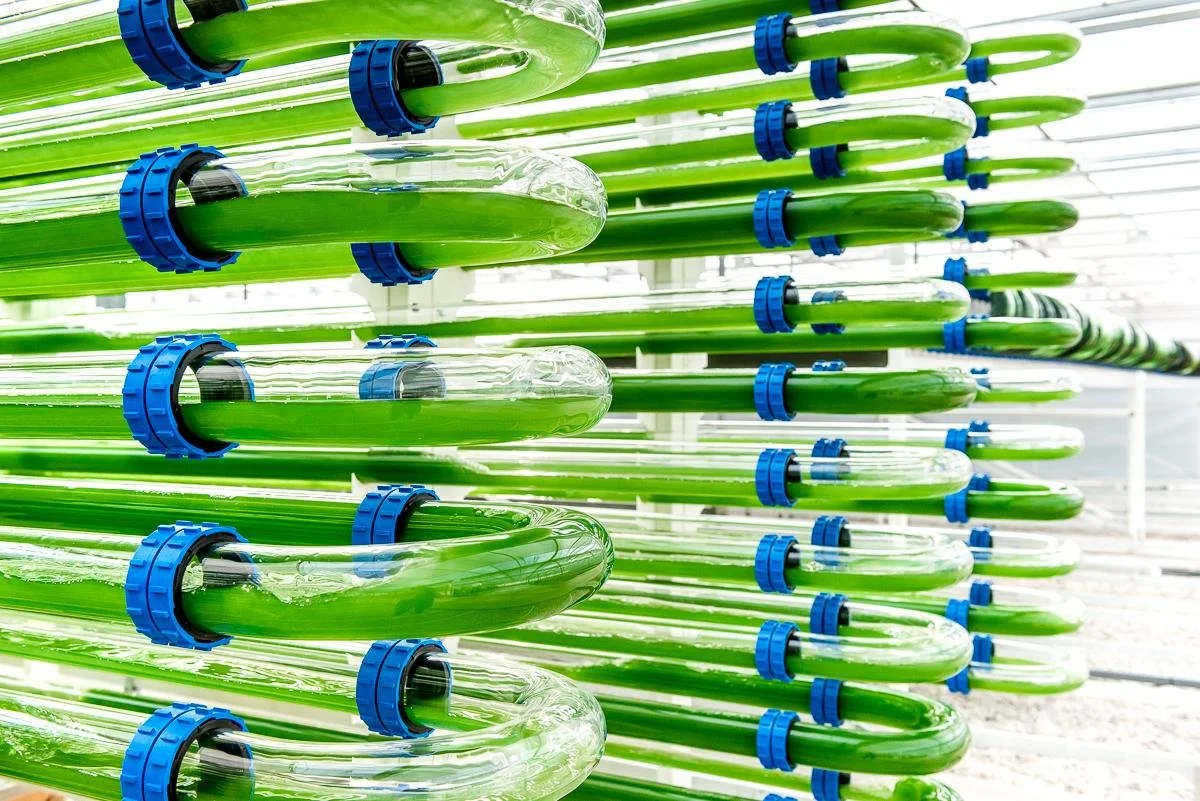
Algae bioreactors
Reactors made to optimize algal growth for harvesting. Used for food, biofuel, research.
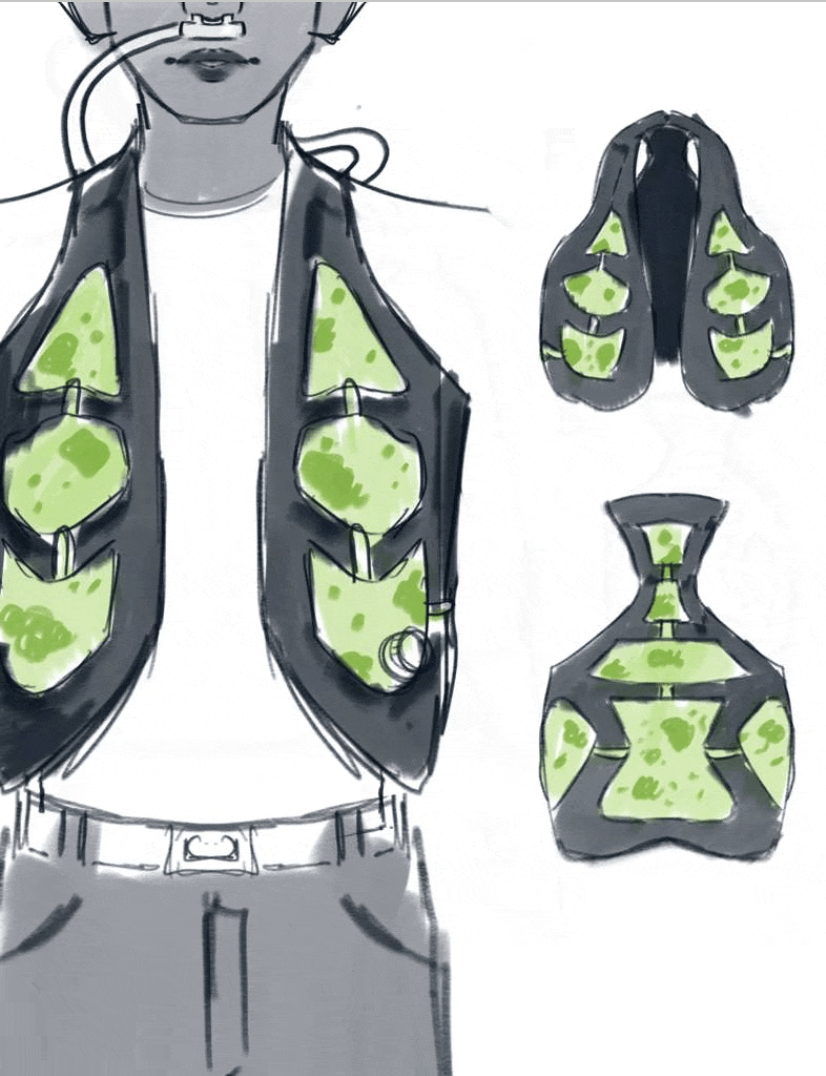
System Design
Genetically Modified Algae
↓
Wearable EcoLung
↓
Photosynthesis
↓
Oxygen Production
↓
User
↓
Community Charging Stations
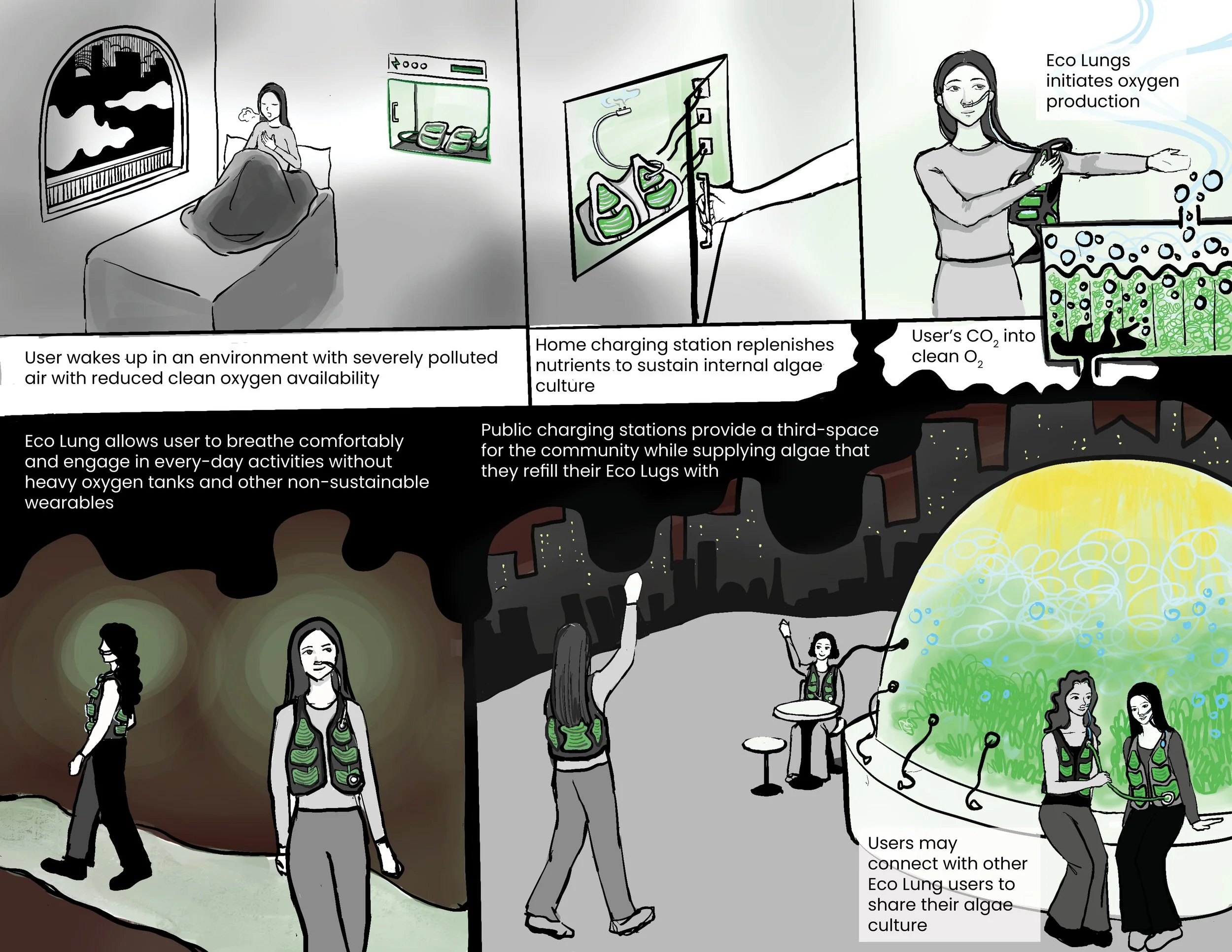
User Scenario/Storyboard
Material Exploration/Lab
Algae Cultivation
Materials
Chlorella Algae Sample
1L Glass jar
Water
Algae Medium Concentrate (nutrients)
Testing
Placed in different locations to monitor sun exposure
Sunlight from window
Under a 24 hour plant light
Most growth under 24 hour light
Experimentation with Aeration
Algae needs aeration in order to grow and not settle at the bottom of the jar
Circulating nutrients and oxygenating water
Algae Charging
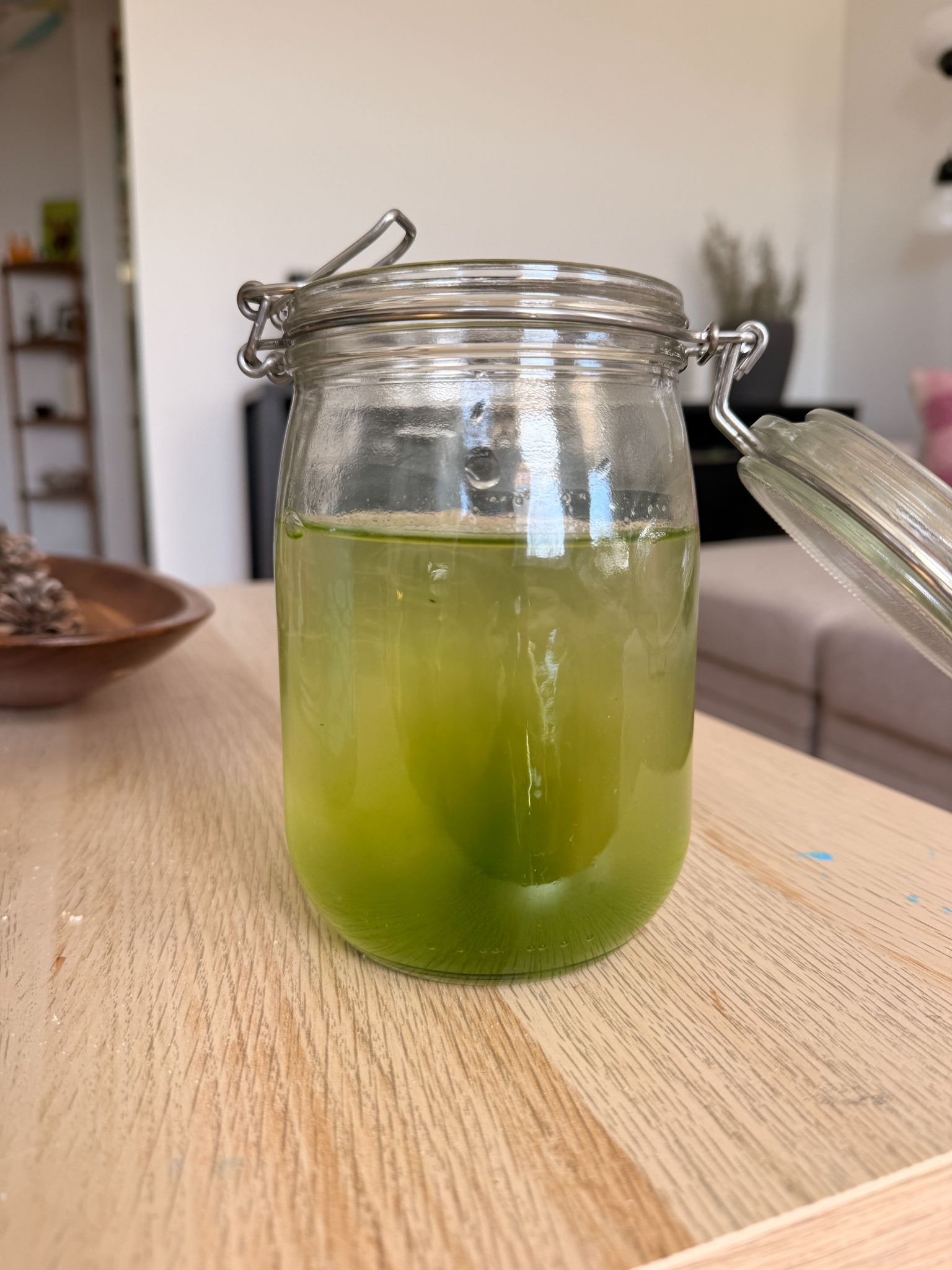
Day 21
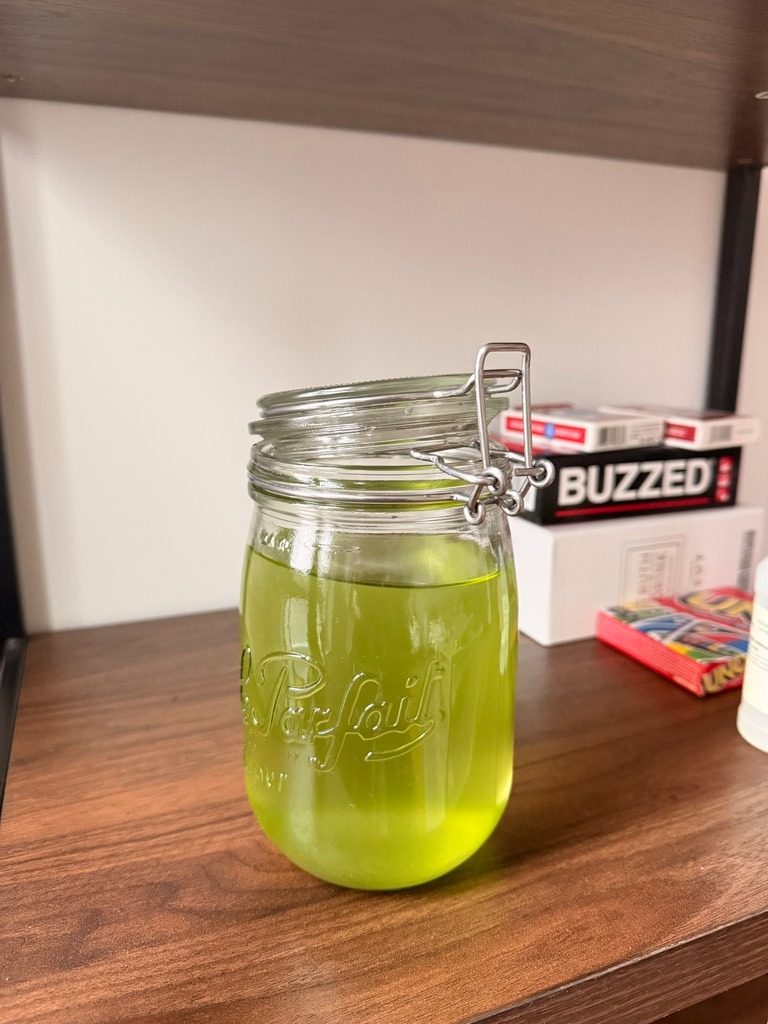
Day 1
Iteration
Iteration 1
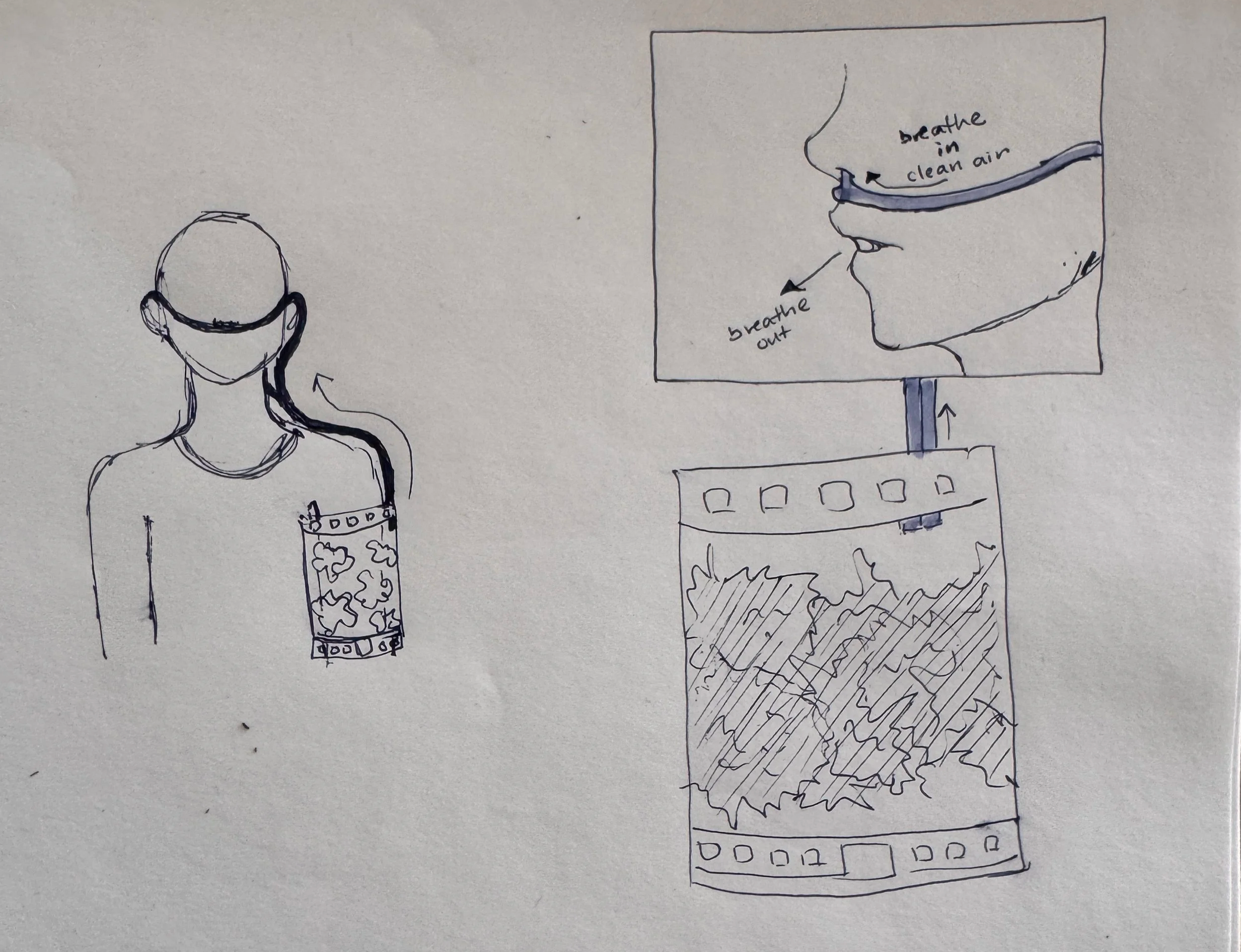
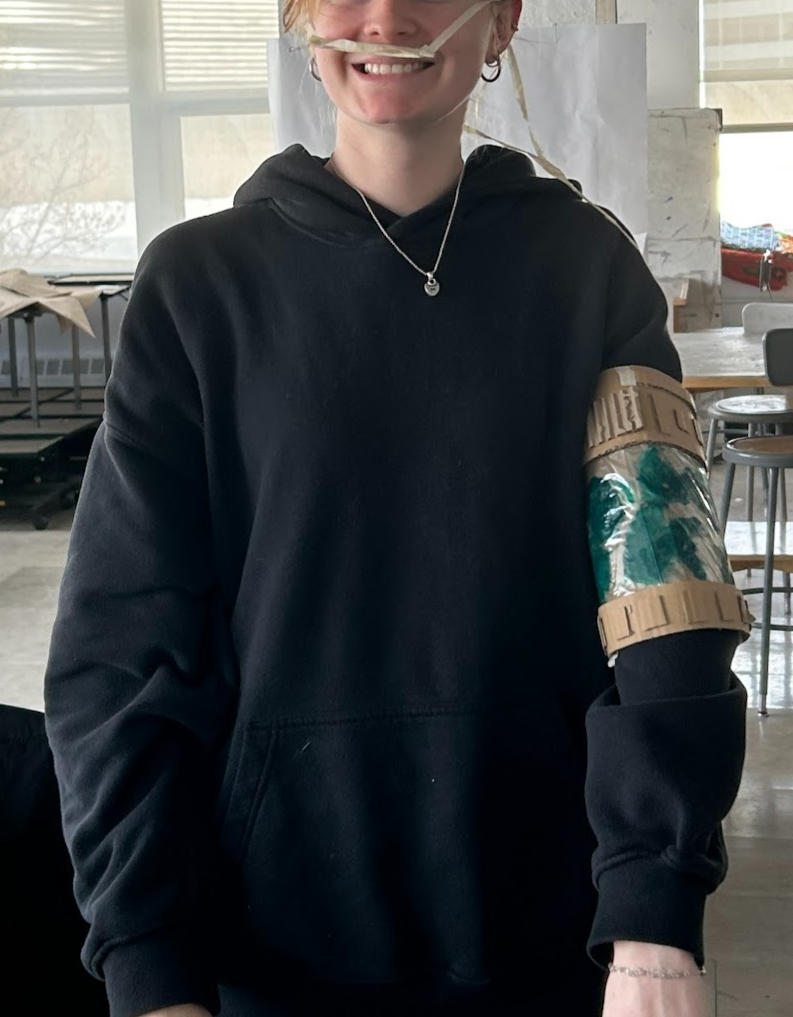
Arm band with breathing tube
Made with cardboard and painted cotton swabs as algae
Final Design
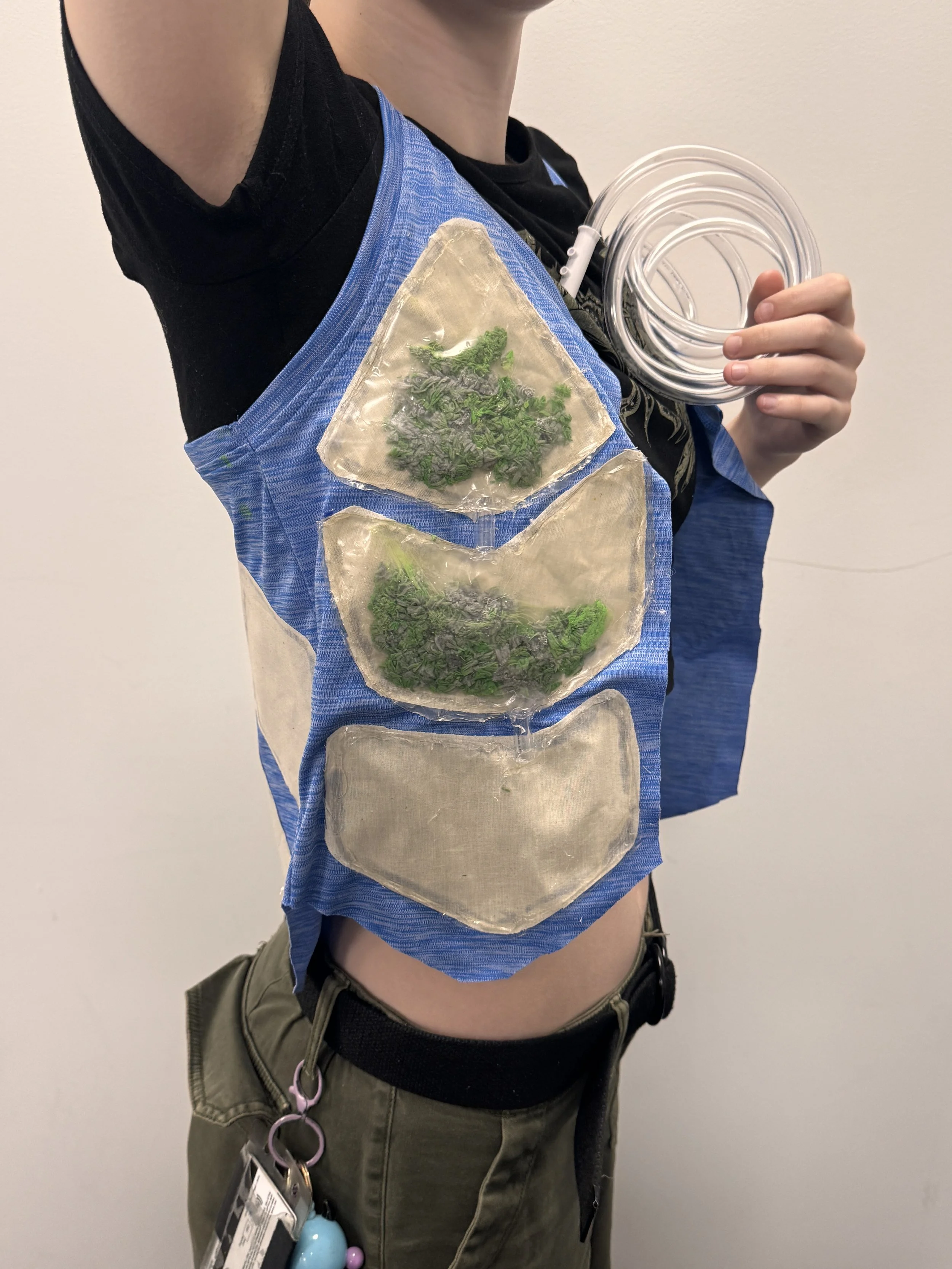
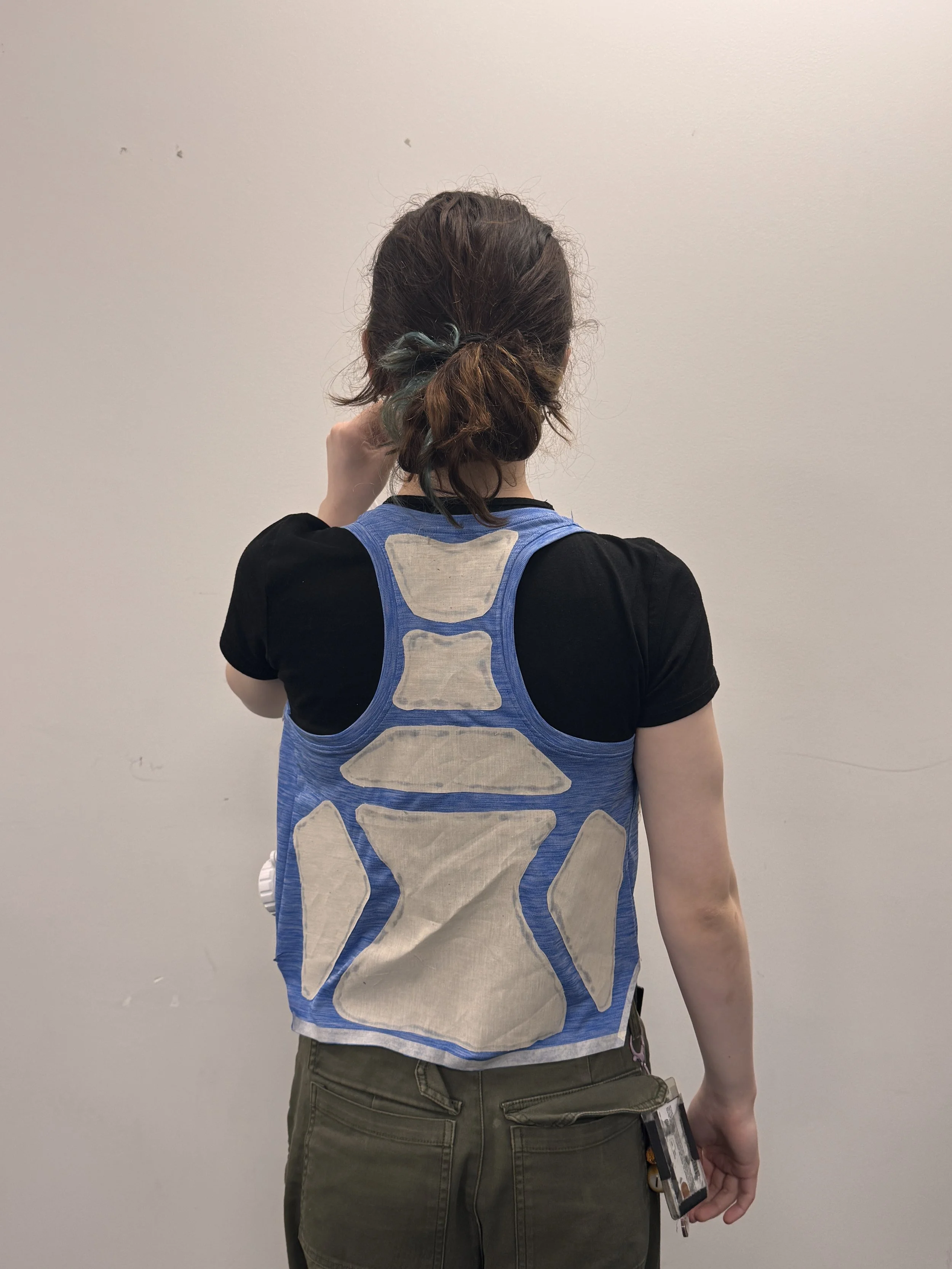
Final Prototype:
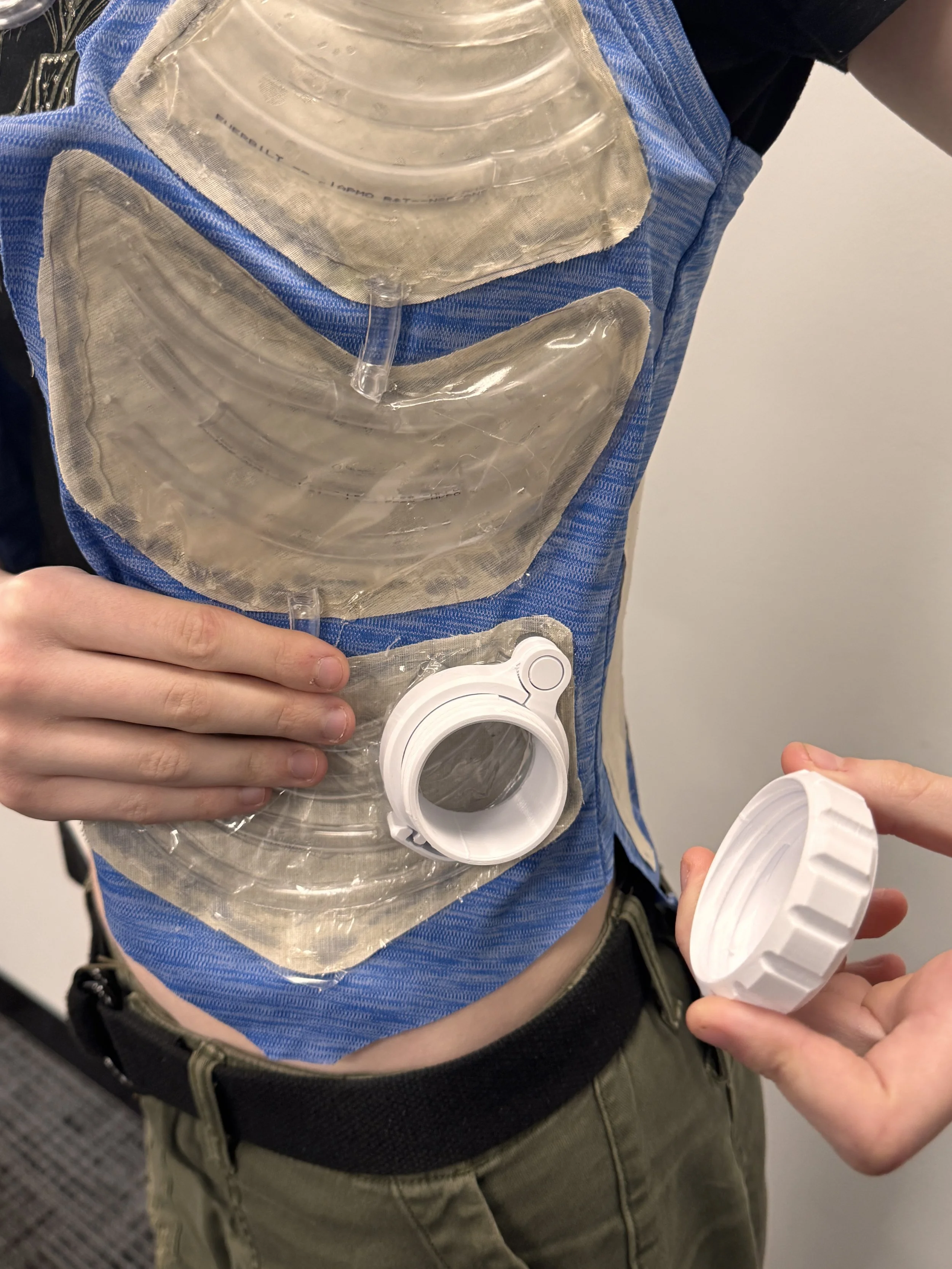
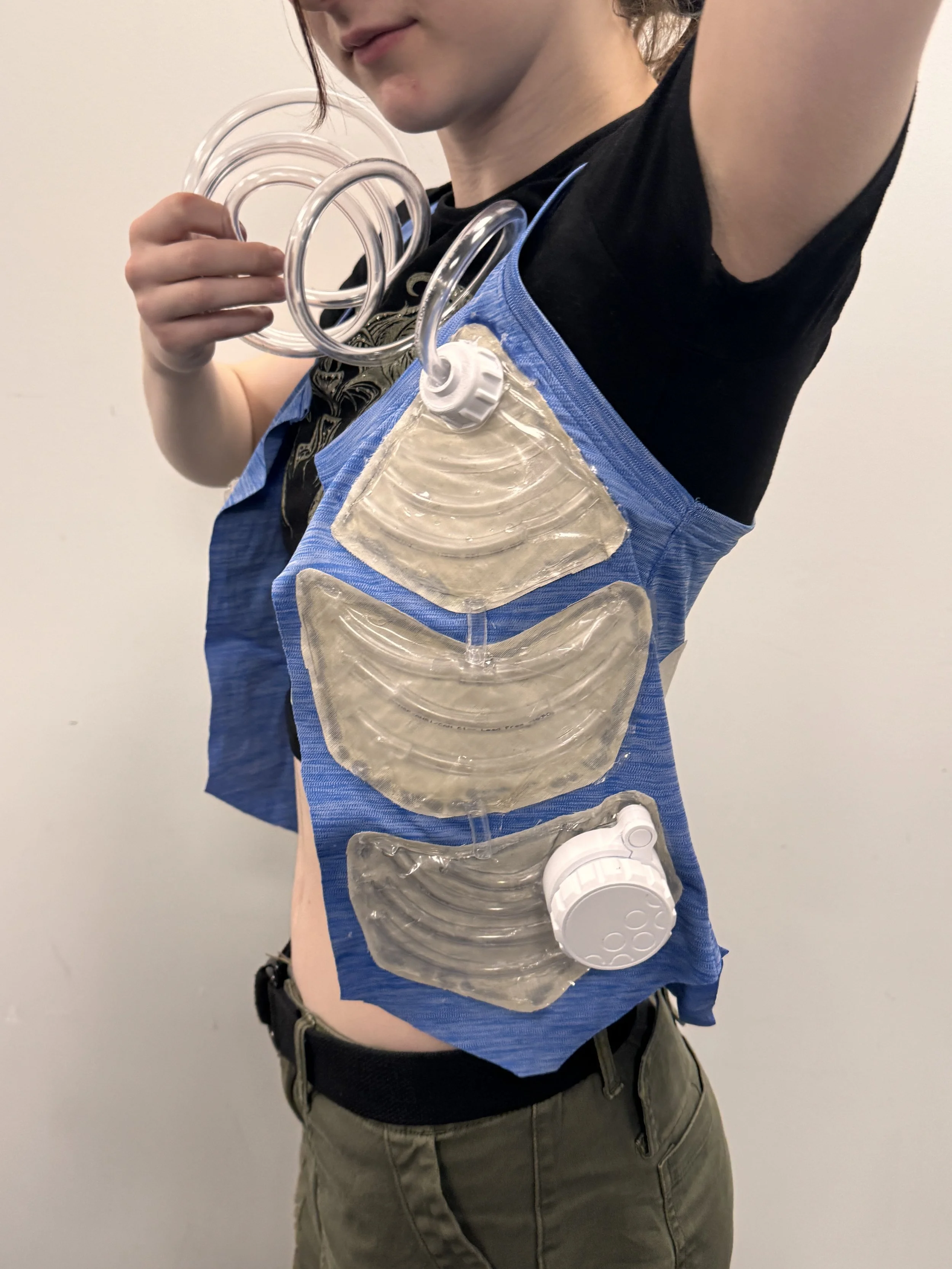
Features bioplastic pouches that contour to the human body, allowing the wearable to move naturally with the user.
The lung-inspired form reinforces EcoLung's role as a speculative respiratory companion
EcoLung challenged me to think beyond designing a single product and instead envision an interconnected ecosystem of wearable technology, public infrastructure, and living organisms.
By combining scientific research with speculative design, I learned how emerging technologies can inspire meaningful conversations about our relationship with the natural world.
This project strengthened my ability to translate complex research into a cohesive user experience while balancing functionality, storytelling, and future-oriented thinking.
Iteration 2
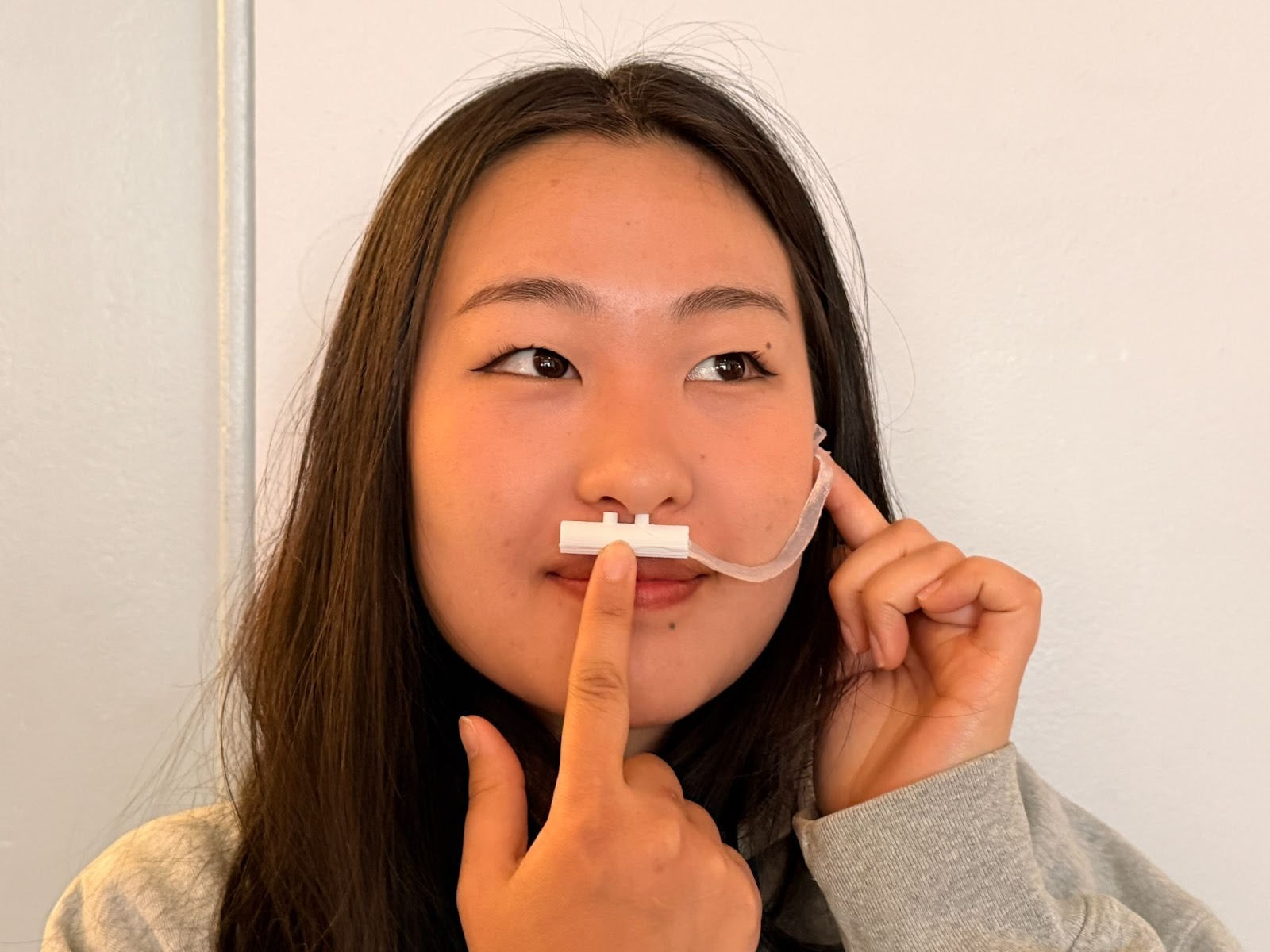
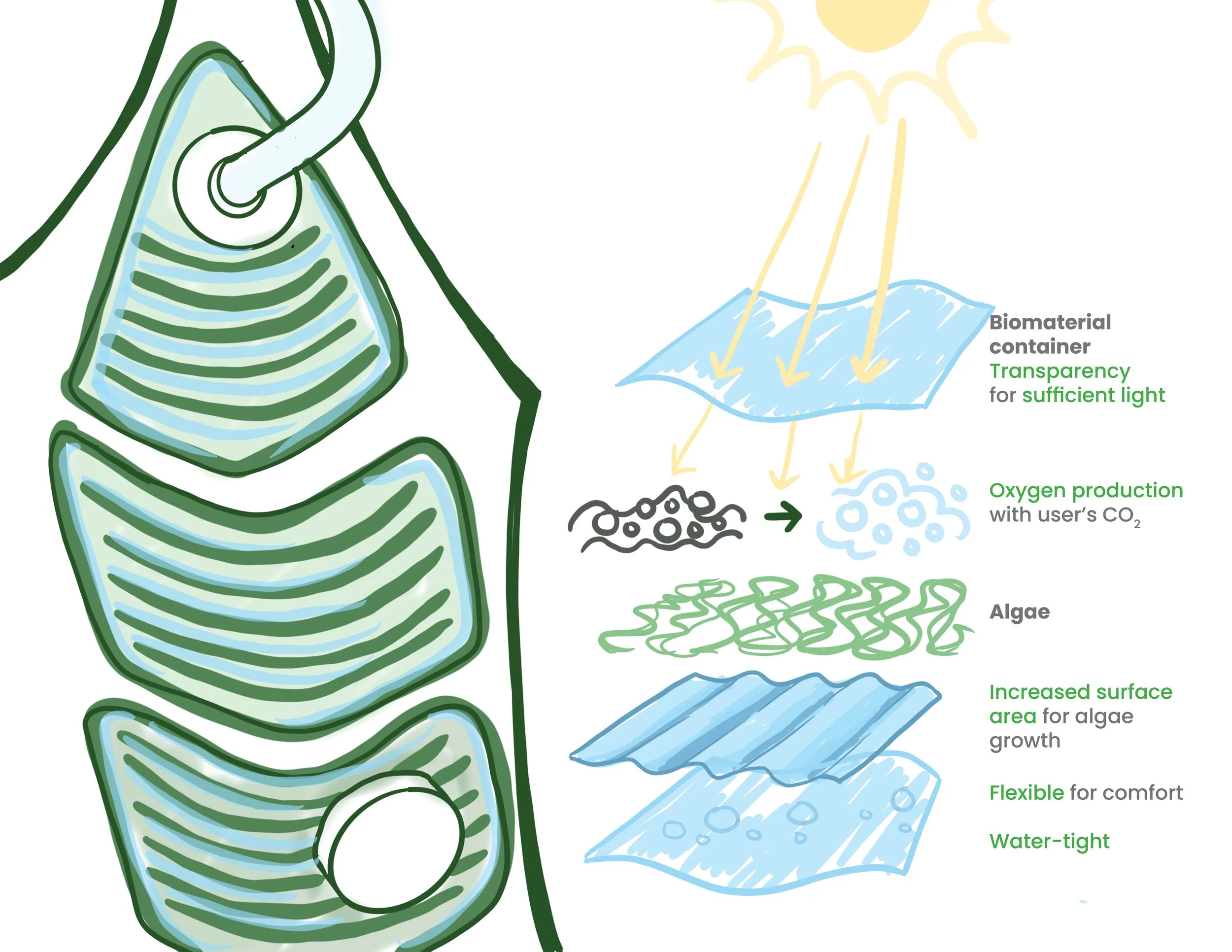
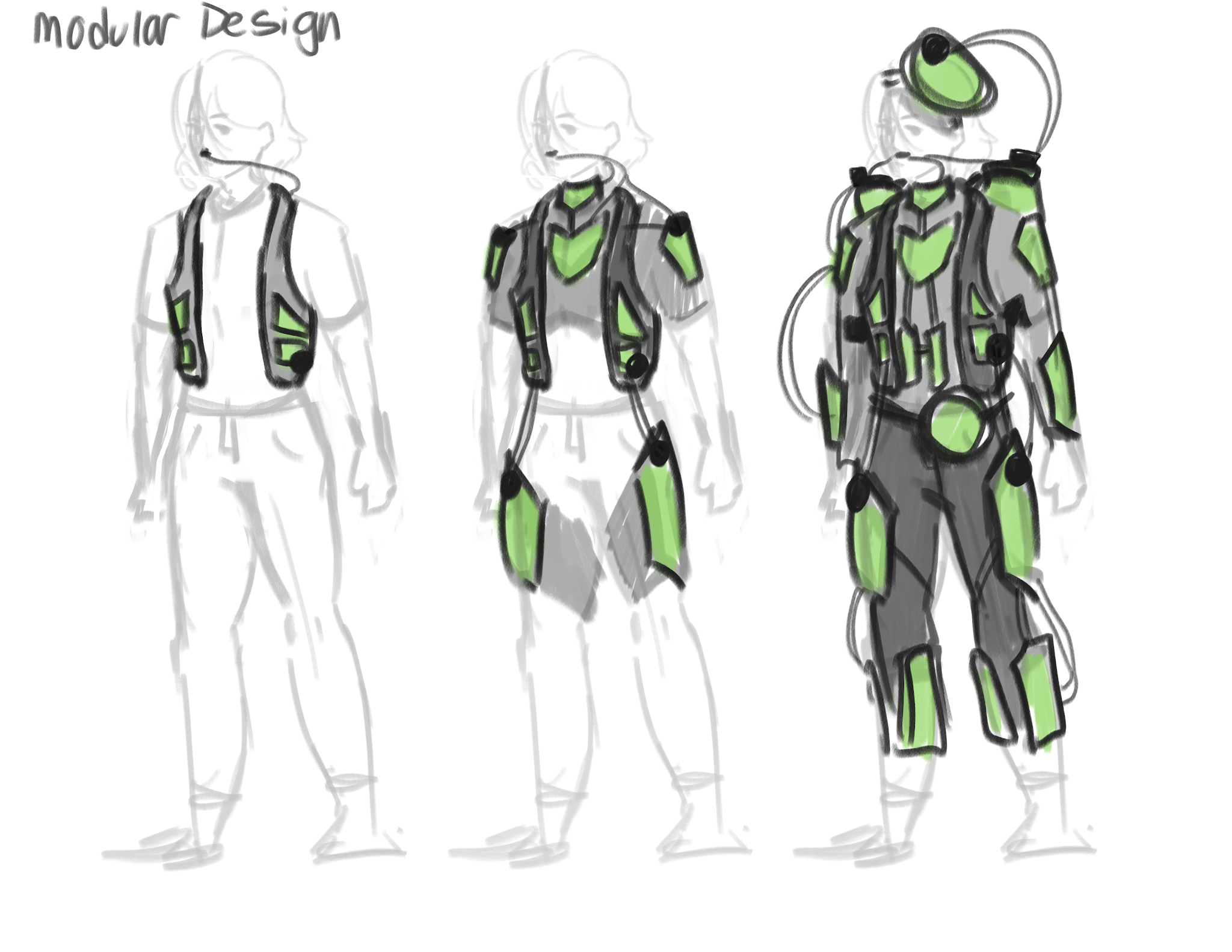
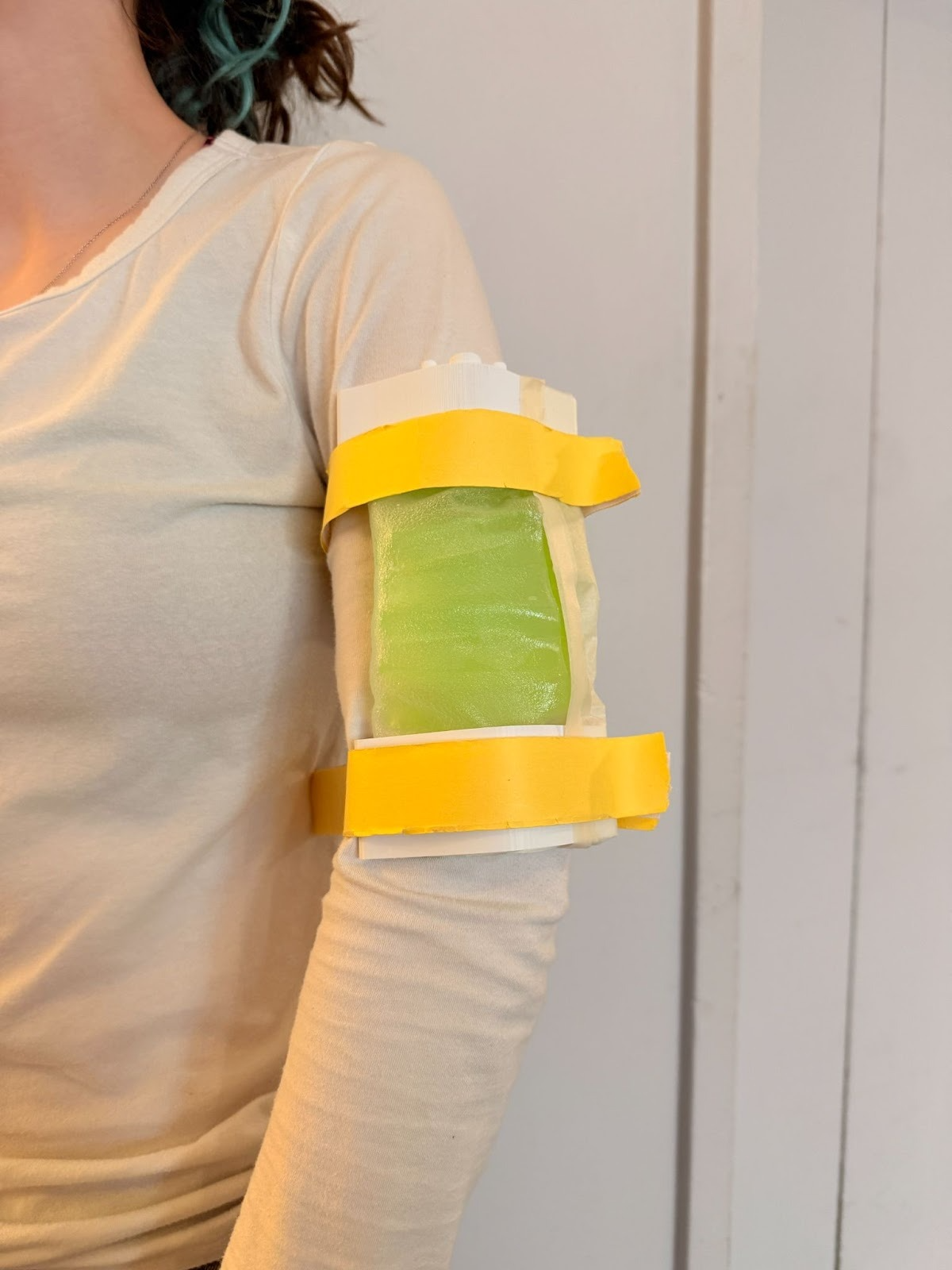
Smaller armband made with biomaterials
Increased surface area - grooves where algae grows on
Experimentation with algae growth
3D printed parts for stability and form
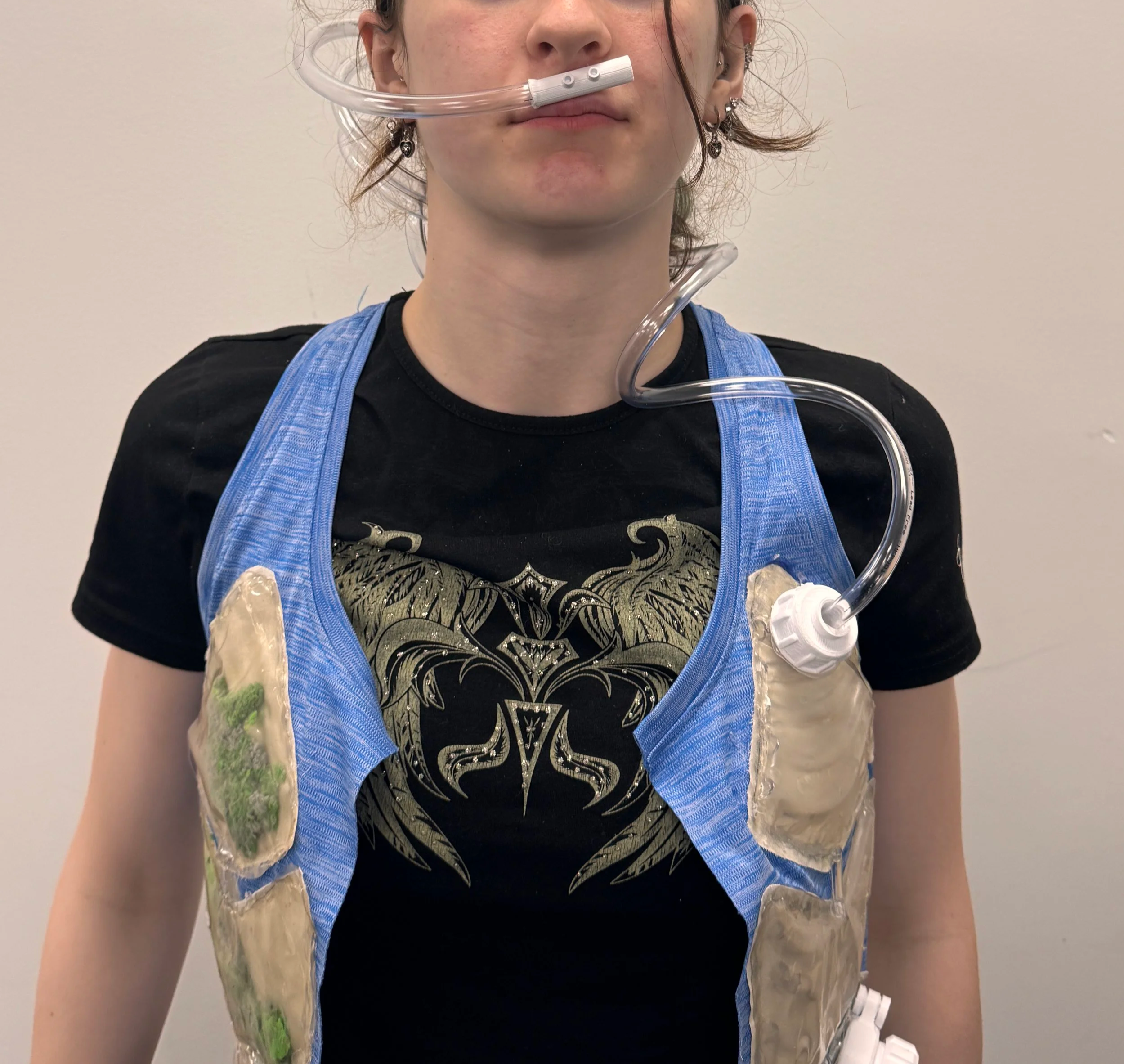
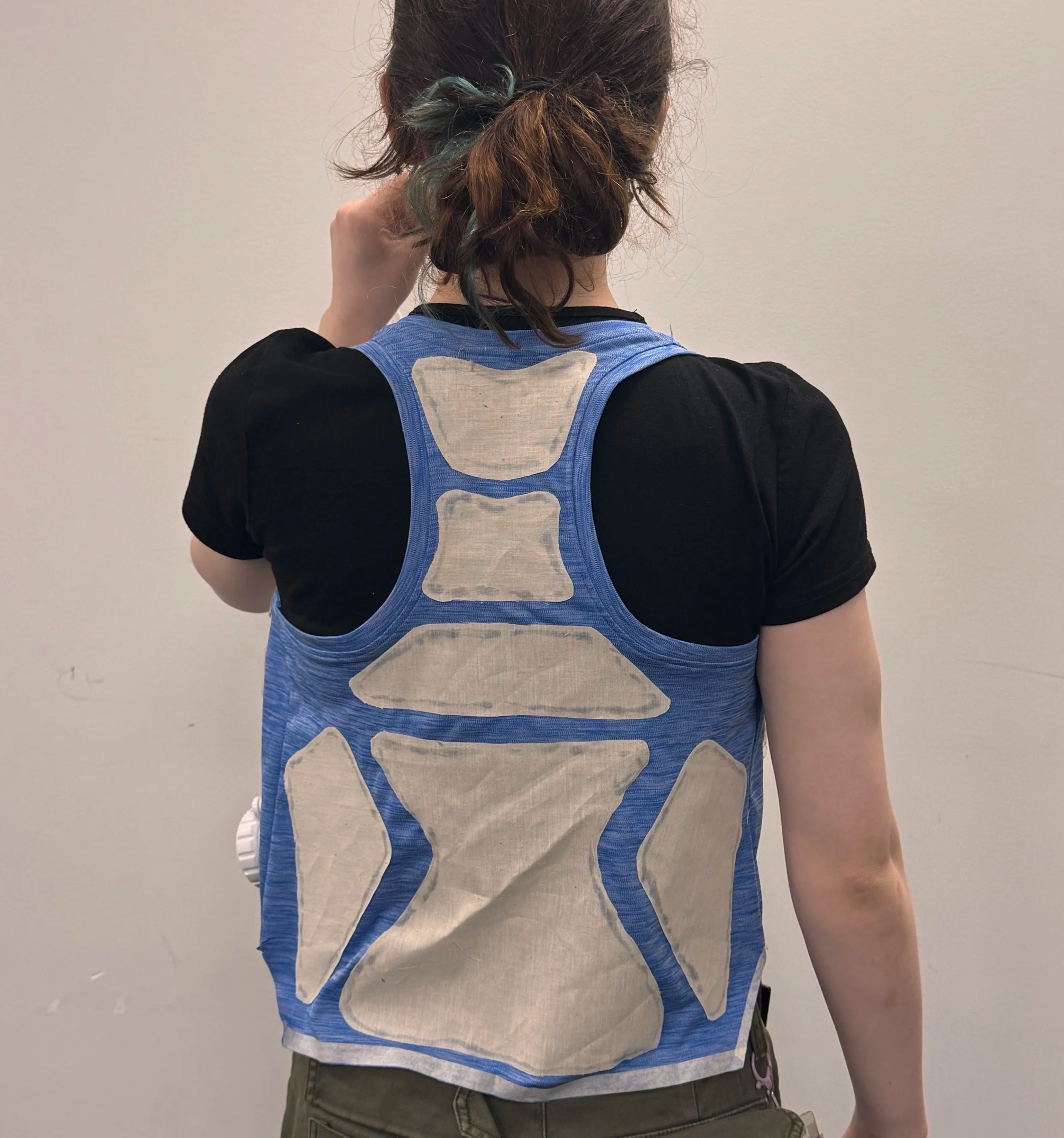
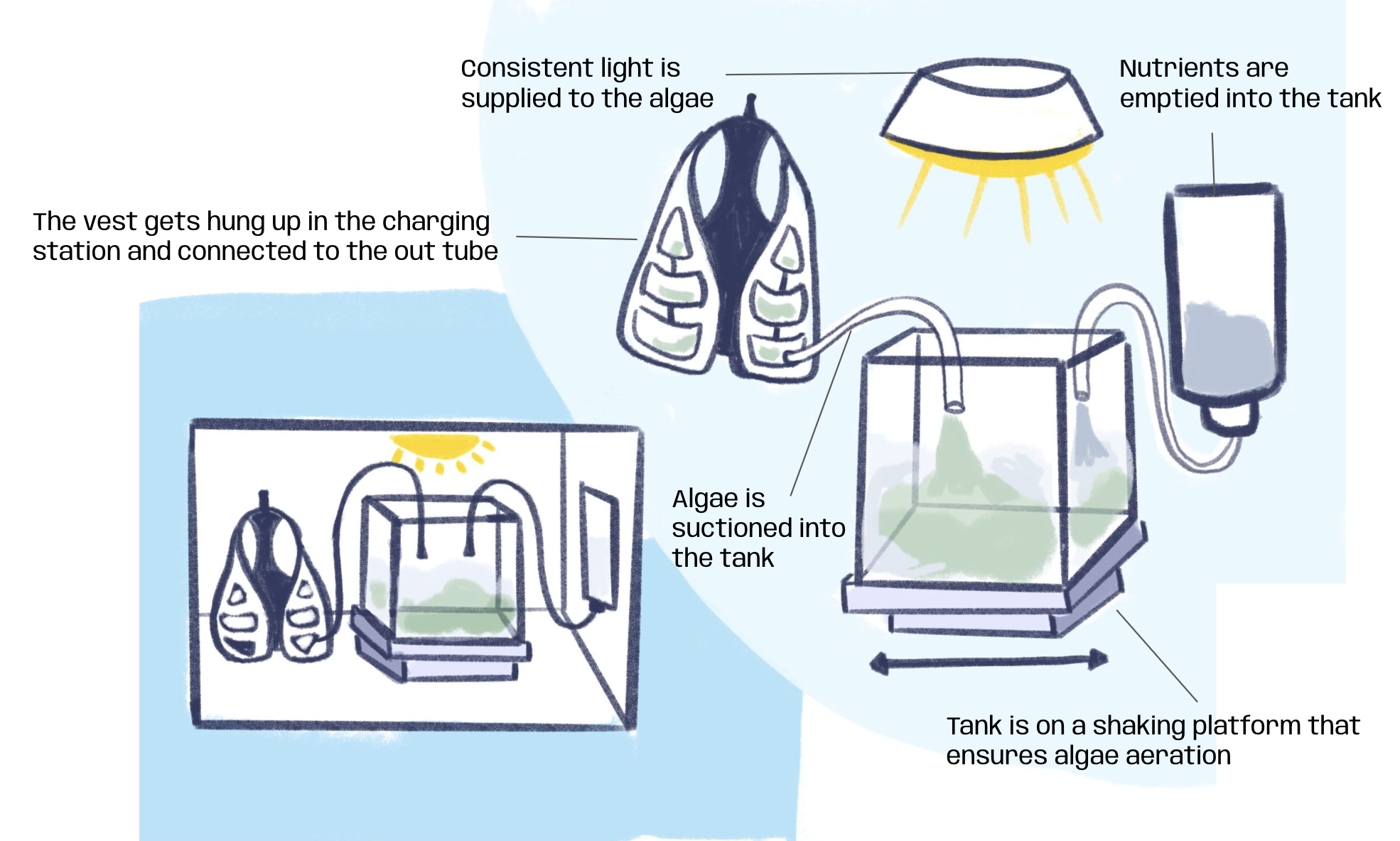
Vision for the future of EcoLung
Reflection
At Home
EcoLung placed into home charging station- replenish nutrients
Outdoors
Moving freely Through the City, engage in every-day activities
Everyone wearing variations of EcoLung
Community Charger
Public station with large glowing algae tank
Sense of community
Algae in the tank is refreshed, partially exchanged, and rebalanced
Routine
Continuous coexistence with algae
Bioplastic
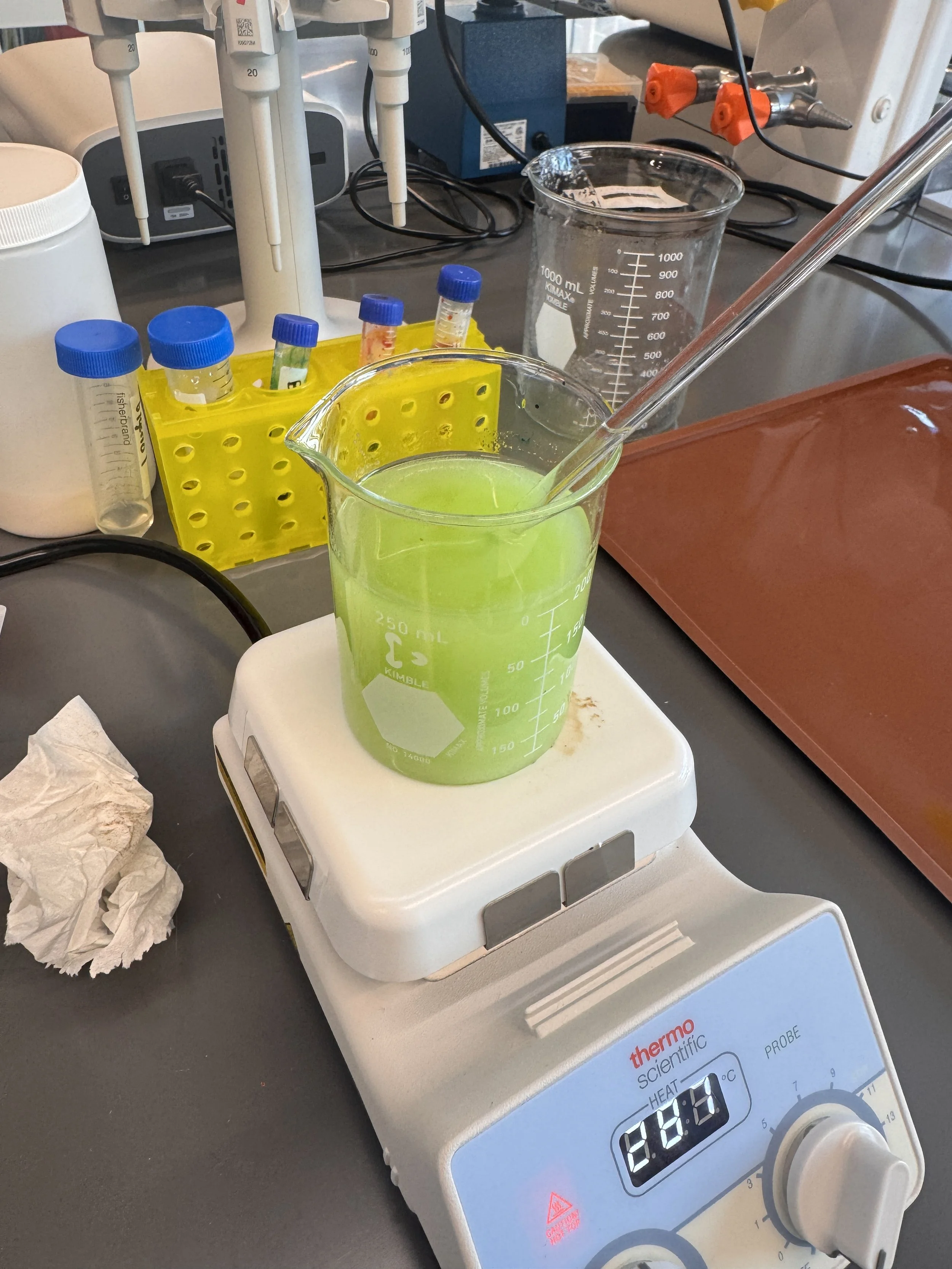
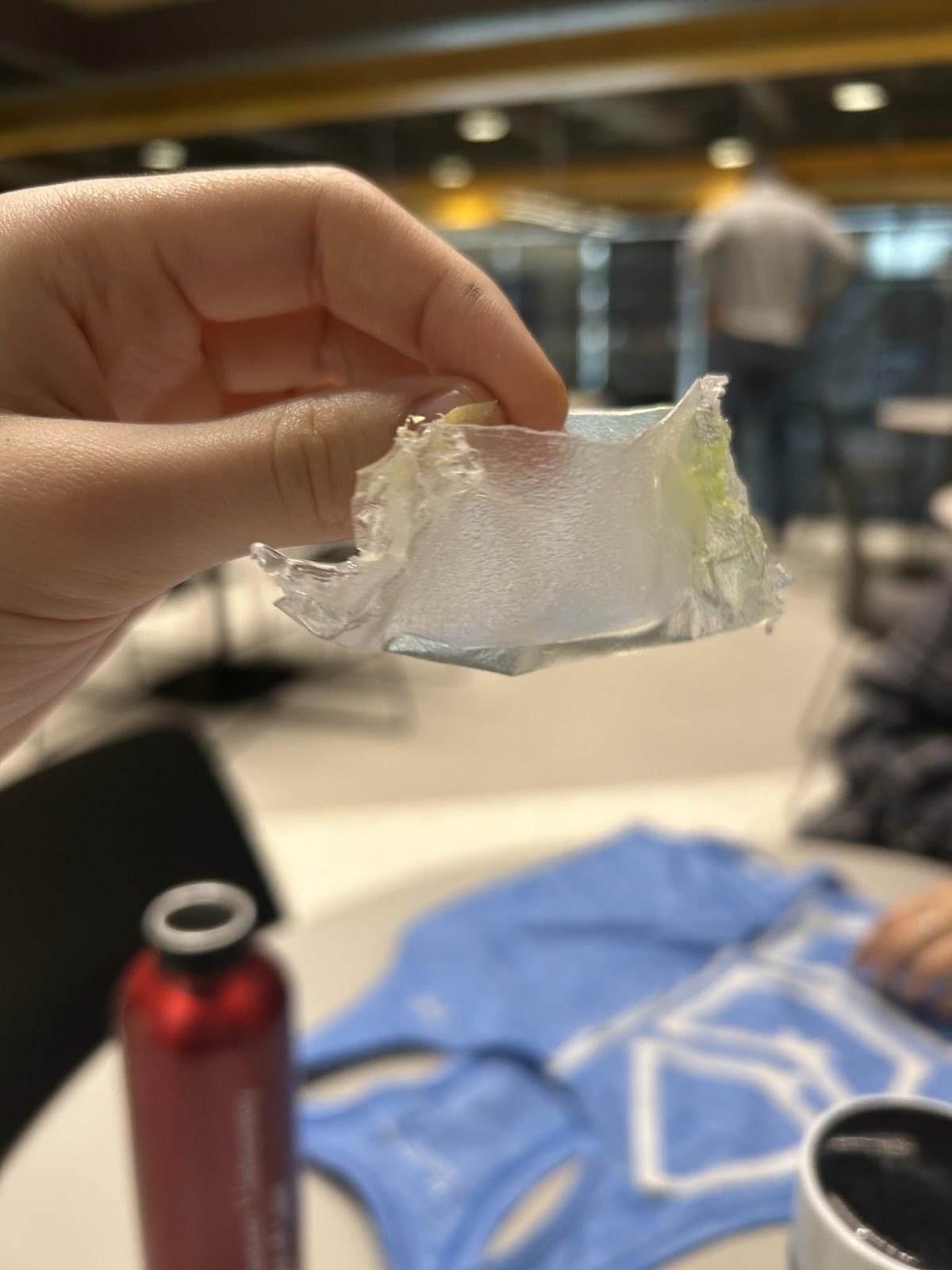
Materials
| Water | 300mL |
| Glycerin | 3–5mL |
| Agar | 6g |
Uses
Plastic sheets for algae container pouches
Grooved sheets for algae
Breathing tubes
Waterproof testing: seal is weak but water resistant for couple of hours
Final Concept
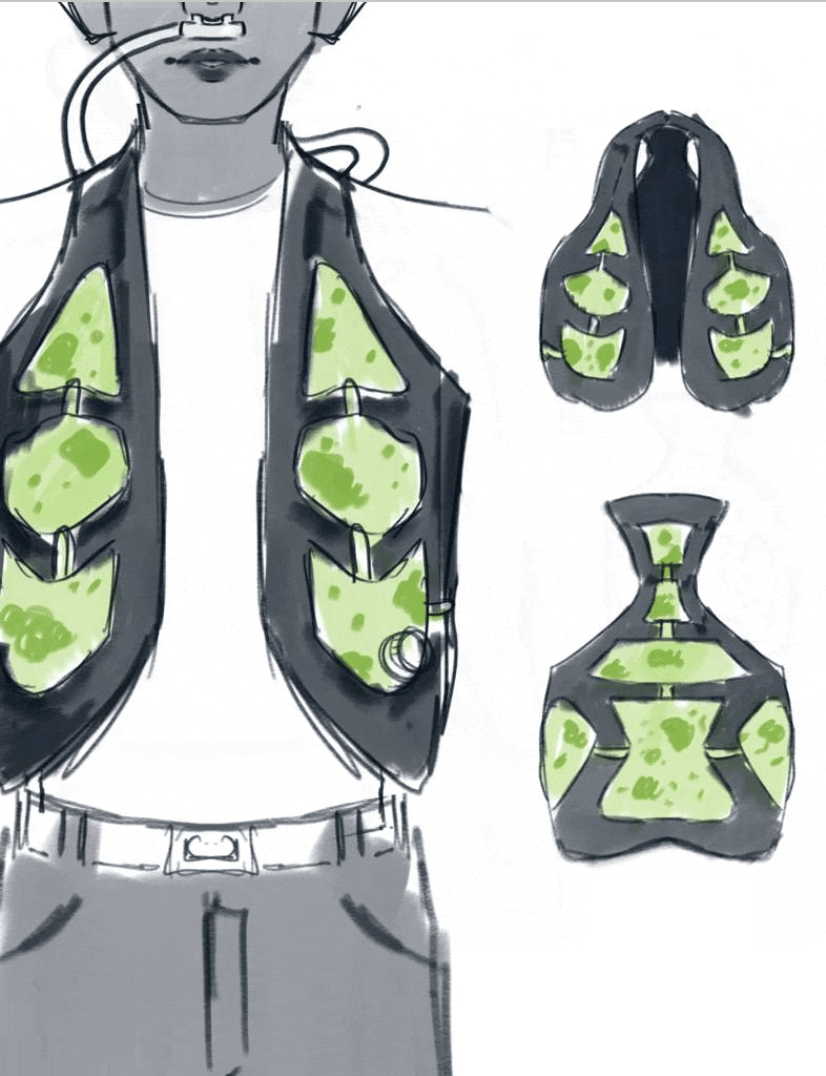
Tubes allow movement/aeration and oxygen flow
Opening ports for charging stations where nutrients are supplied and algae is replaced through
Additional Materials
3D printing was a mix of open source (shown here) and self-made designs.
Future implementations will be completed with NonOilen, a fully biodegradable filament
How Community Charging Stations are sustained
Community Algae Farm
↓
Algae Harvested
↓
Community Charging Station
↓
Users Replenish EcoLung
As air quality worsens, we will need more and more Eco Lungs to supplement our breathing.
Without remediation, we will become unrecognizable.